Aggregate Sealing in Seattle, WA
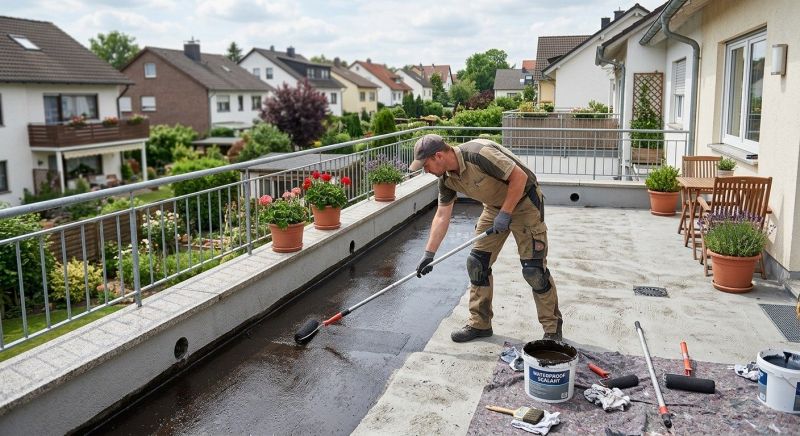
Aggregate sealing services involve applying a protective coating to various types of aggregate surfaces, such as driveways, walkways, patios, and other paved areas. This process helps to enhance the durability of the surface by preventing water penetration, reducing the risk of cracks, and minimizing the effects of wear and tear caused by weather and regular use. Property owners often request aggregate sealing to maintain the appearance of their outdoor spaces, extend the lifespan of paved surfaces, and improve safety by creating a more even and slip-resistant surface.
Before requesting aggregate sealing, property owners typically want to understand the current condition of their surfaces, including any existing damage or staining. It's important to consider the type of aggregate material, as some surfaces may require specific sealing products or techniques. Additionally, understanding the weather conditions and timing for sealing can impact the effectiveness of the service, ensuring that the surface is properly prepared and protected for optimal results.
Many property owners in Seattle, WA look into Aggregate Sealing for repairs, replacements, upgrades, and appearance-related improvements.
Benefits Of Aggregate Sealing
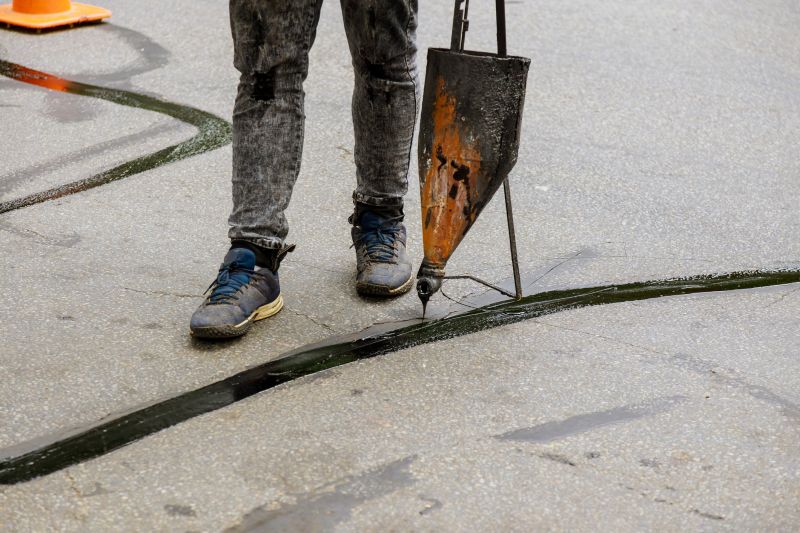
Sealing aggregates helps protect surfaces from water damage, stains, and wear.
Common Applications
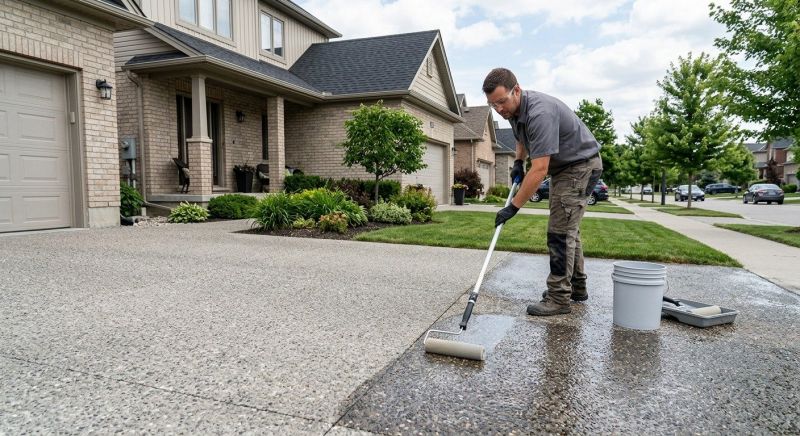
Aggregate sealing is often used for driveways, walkways, and outdoor patios in seattle homes.
Maintenance And Care
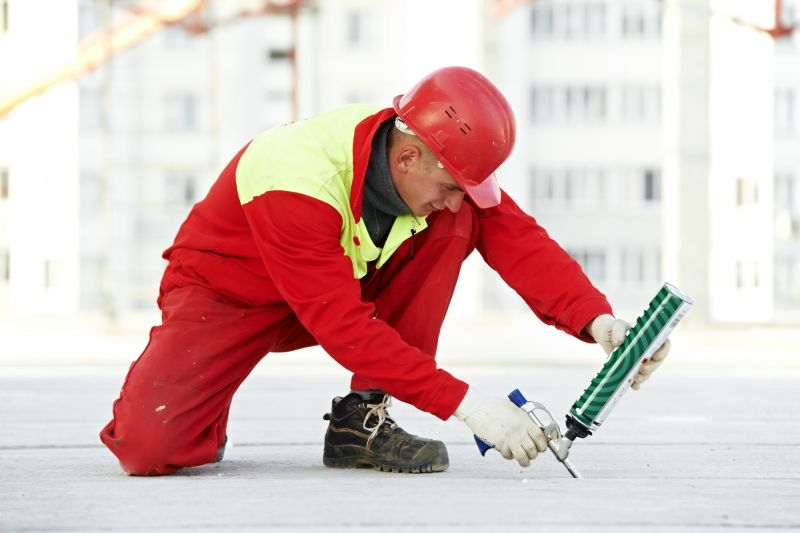
Proper sealing extends the lifespan of aggregate surfaces and reduces the need for repairs over time.
Aggregate Sealing in Seattle, WA
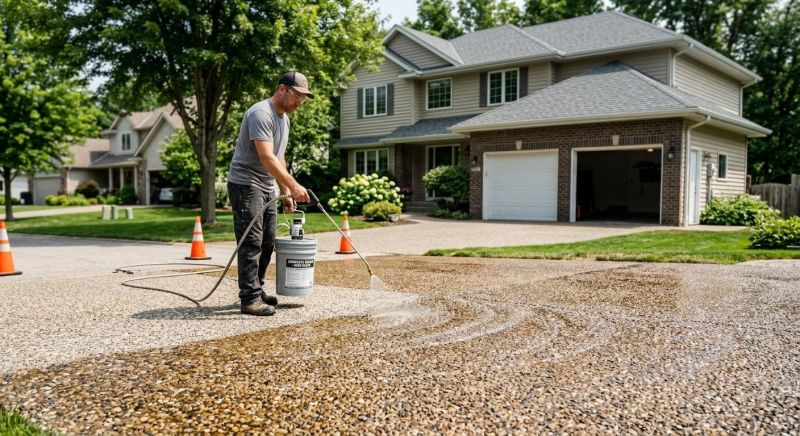
Aggregate sealing services involve applying a protective coating to various types of aggregate surfaces, such as driveways, walkways, patios, and other paved areas. This process helps to enhance the durability of the surface by preventing water penetration, reducing the risk of cracks, and minimizing the effects of wear and tear caused by weather and regular use. Property owners often request aggregate sealing to maintain the appearance of their outdoor spaces, extend the lifespan of paved surfaces, and improve safety by creating a more even and slip-resistant surface.
Before requesting aggregate sealing, property owners typically want to understand the current condition of their surfaces, including any existing damage or staining. It's important to consider the type of aggregate material, as some surfaces may require specific sealing products or techniques. Additionally, understanding the weather conditions and timing for sealing can impact the effectiveness of the service, ensuring that the surface is properly prepared and protected for optimal results.
Many property owners in Seattle, WA look into Aggregate Sealing for repairs, replacements, upgrades, and appearance-related improvements.
Common Aggregate Sealing Jobs
Foundation Sealing - helps prevent water infiltration and protects the structural integrity of the building.
Basement Sealing - reduces moisture intrusion and minimizes mold growth in below-ground spaces.
Driveway Sealing - enhances durability and prevents cracks caused by weather and traffic.
Wall Sealing - stops air leaks and improves energy efficiency inside the property.
Garage Sealing - seals gaps to keep out pests, dust, and drafts.
Crack Sealing - fills small openings to prevent water damage and structural issues.
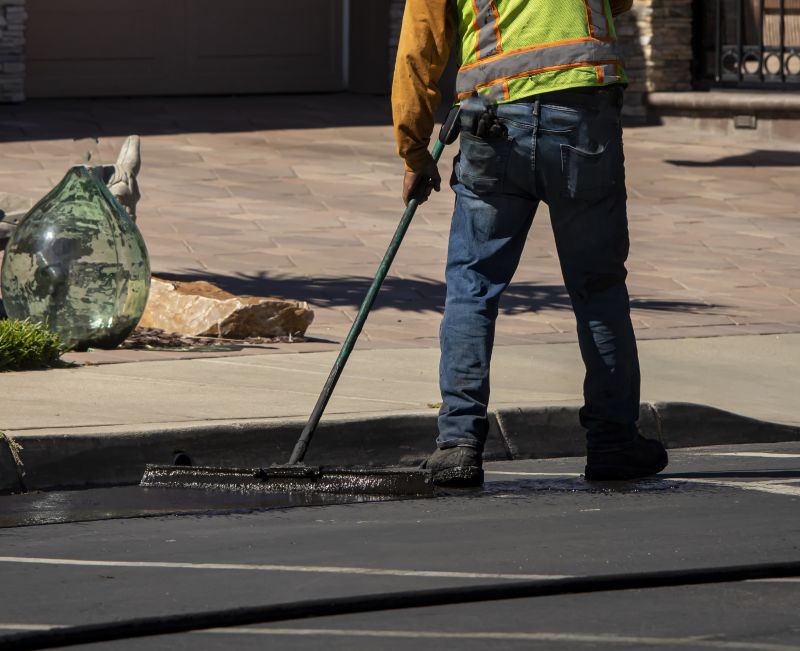
Aggregate Sealing Questions
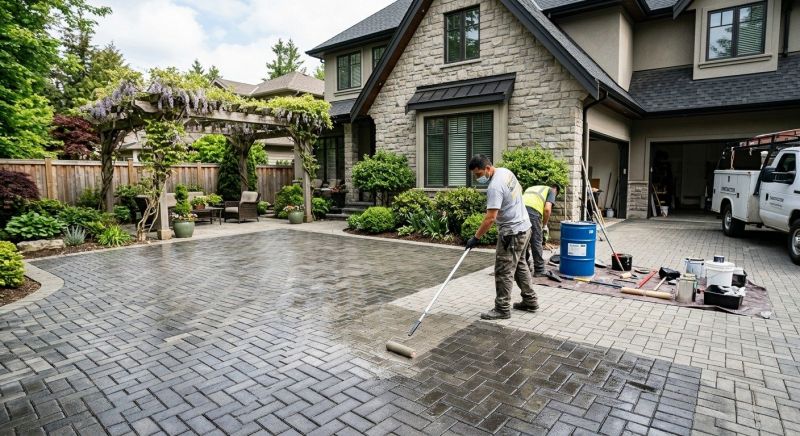
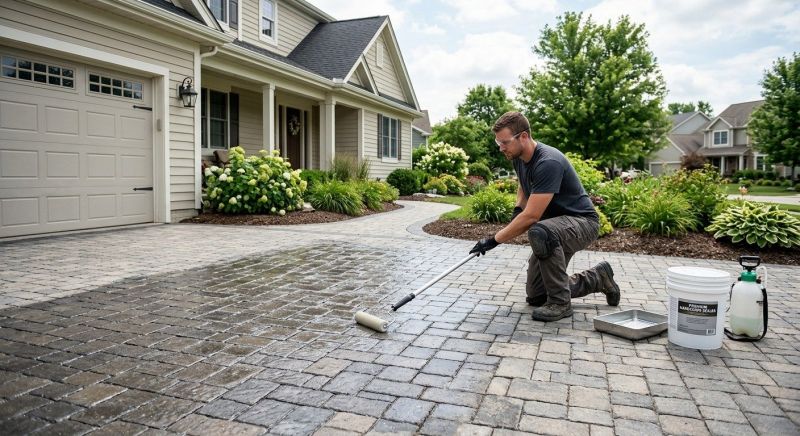
What is aggregate sealing? Aggregate sealing involves applying a protective layer over exposed gravel or stone surfaces to prevent erosion and maintain appearance.
Which surfaces benefit from aggregate sealing? Driveways, walkways, and decorative stone areas are common surfaces that benefit from aggregate sealing.
How does aggregate sealing protect surfaces? It creates a barrier that reduces weed growth, minimizes loose stones, and prevents water damage.
When should aggregate sealing be performed? Sealing is typically done after installation or when signs of wear and erosion appear on the surface.
Request Aggregate Sealing in Seattle, WA
Use the quote form on this page to share the basics of your project and request more information for the type of work you need.